Filed under Garage Door FL · Eagle Garage Doors Florida
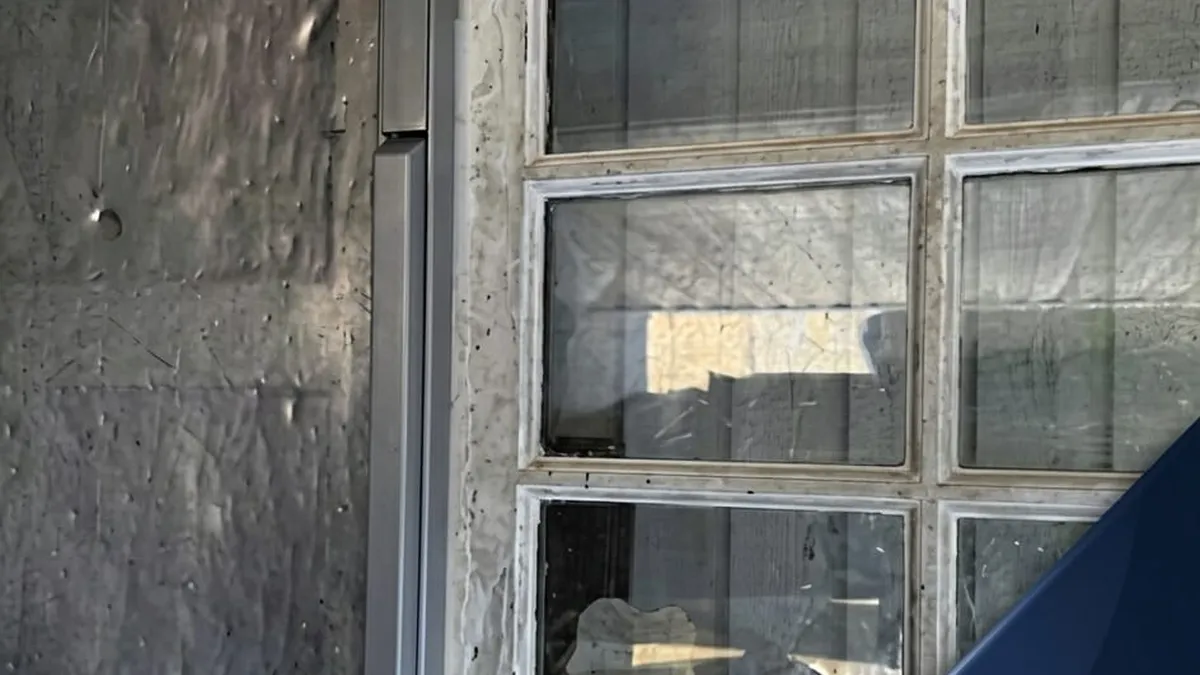
If you live near the Gulf, the Atlantic, or the Intracoastal, salt is working on your garage door every day, even when the weather feels calm. Coastal corrosion starts small, with white powder on hinges and orange spots on hardware, then quietly weakens the parts that lift the door. Catching it early is far easier than replacing rusted hardware all at once.
Salt spray travels well beyond the beach in Florida, carried inland by daily sea breezes and deposited on every exposed surface. When that salt mixes with humidity and overnight condensation, it forms an electrolyte that speeds up rust on steel hinges, rollers, brackets, cables, and springs. Galvanized parts hold up longer, but their protective coating eventually wears thin, especially at pivot points where metal rubs metal. Aluminum and vinyl doors resist panel rust better than steel, yet their hardware is usually still steel and just as vulnerable. Look closely at the bottom section, where road splash and sprinkler overspray keep metal wet the longest each day.
Rinsing the door and exposed hardware with fresh water every few months washes off salt before it can do much damage, and monthly rinsing helps for homes within a mile of the water. Dry the hinges and tracks afterward, then apply a silicone-based lubricant to moving parts so moisture beads off instead of soaking in. Touch up chips in painted steel panels quickly, because bare metal rusts fast in coastal air. Keep sprinklers aimed away from the door, trim shrubs that trap damp air against it, and make sure the bottom seal is intact so humid, salty air is not constantly drifting under the door and settling on the inside hardware.
Surface rust on a hinge is mostly cosmetic, but rust on lift cables, springs, and bottom brackets is a different story. Those parts carry the full weight of the door under tension, and a corroded cable can snap without much warning, leaving the door crooked or stuck halfway. Flaking, pitting, and thinning metal are signs the part has lost strength, not just shine. Do not try to replace cables or bottom brackets yourself, because they stay under load even with the door closed. A technician can swap in galvanized or stainless hardware where it makes sense and check whether the springs and bearings have been weakened by the same exposure.
Our Florida crews fix most problems the same day — and every visit starts with a full-system inspection and written quote.
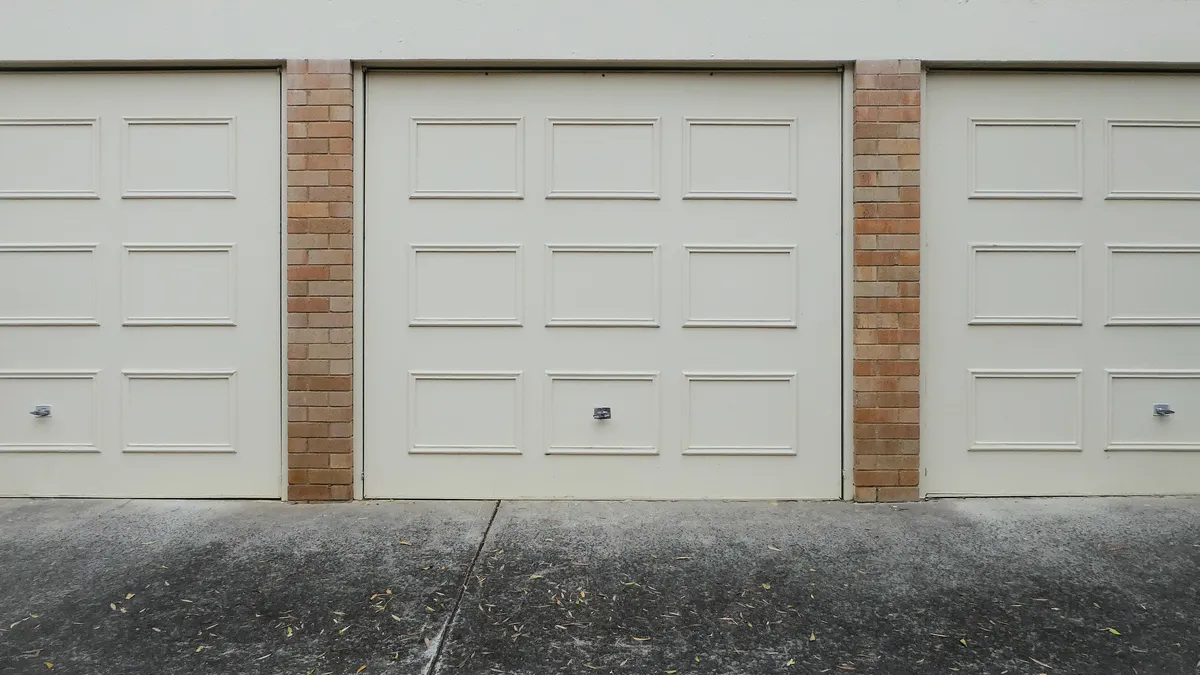
Prepare your Florida garage door for hurricane season with wind ratings, bracing tips, and a pre-storm checkli…
Salt air corrodes Florida garage doors fast. Learn how to protect hinges, springs, and panels on coastal homes…
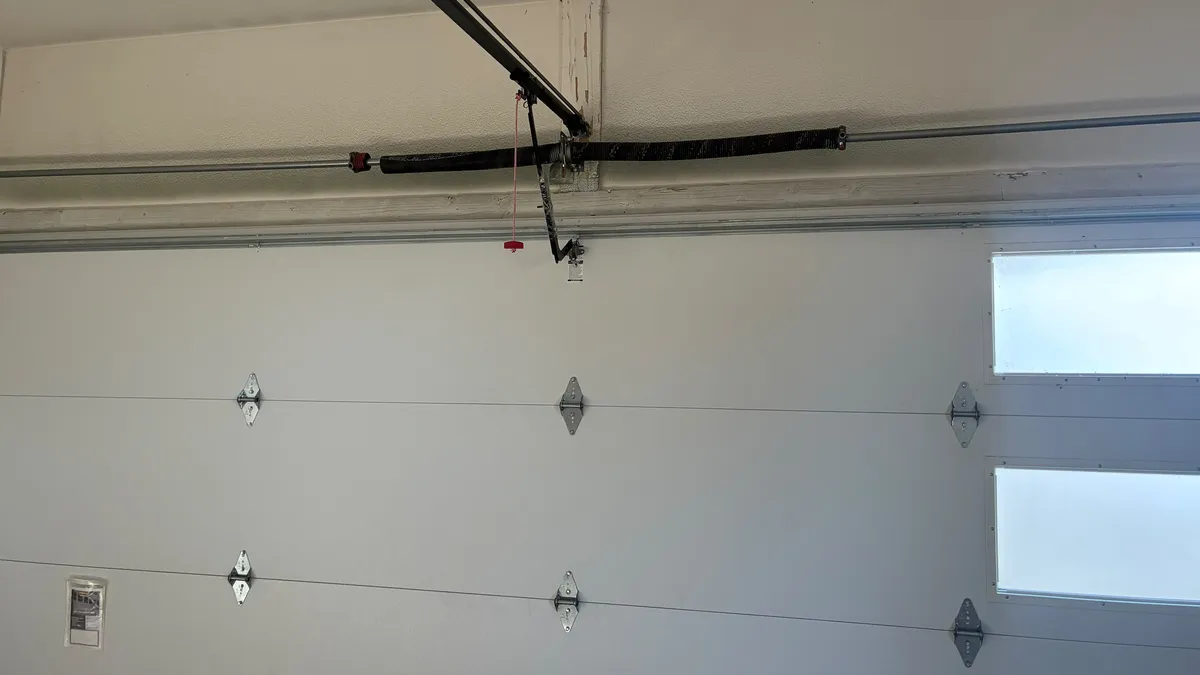
Florida heat and humidity shorten garage door spring life. Spot warning signs early and learn why spring repla…
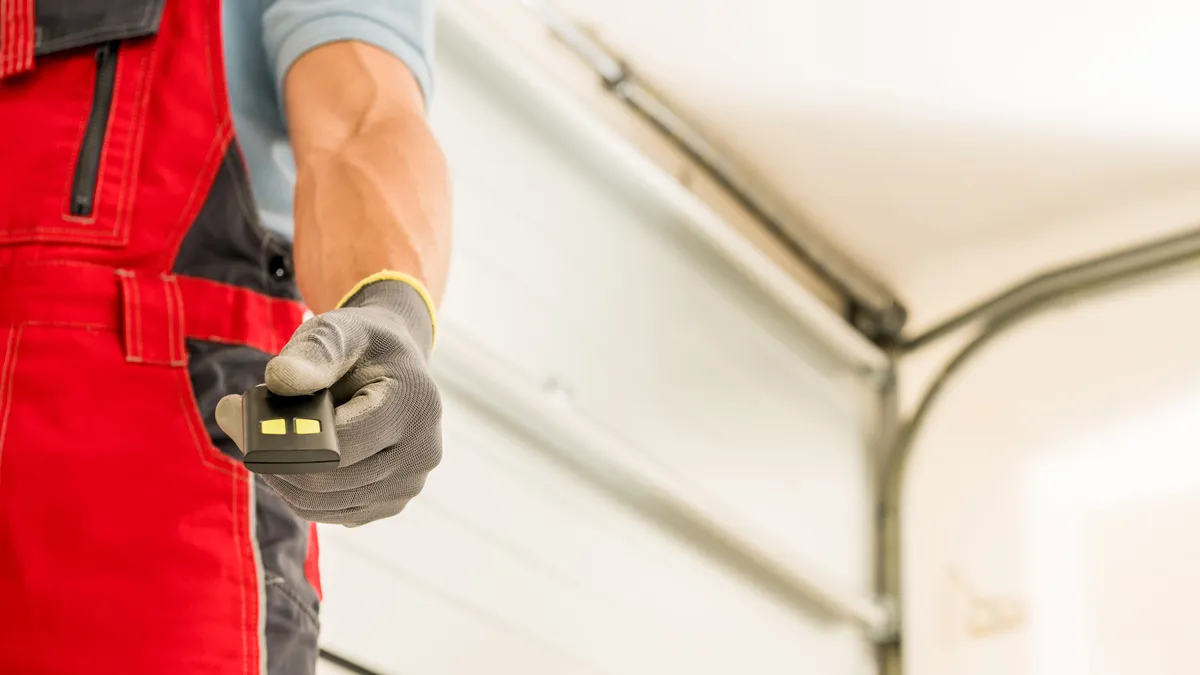
Power out during a Florida storm? Battery backup and smart openers keep your garage door working when you need…
Squeaking, grinding, or rattling? Diagnose a noisy garage door in Florida and learn which fixes are safe DIY a…
Insulated garage doors can cool a hot Florida garage. Understand R-value, west-facing heat, and what makes the…
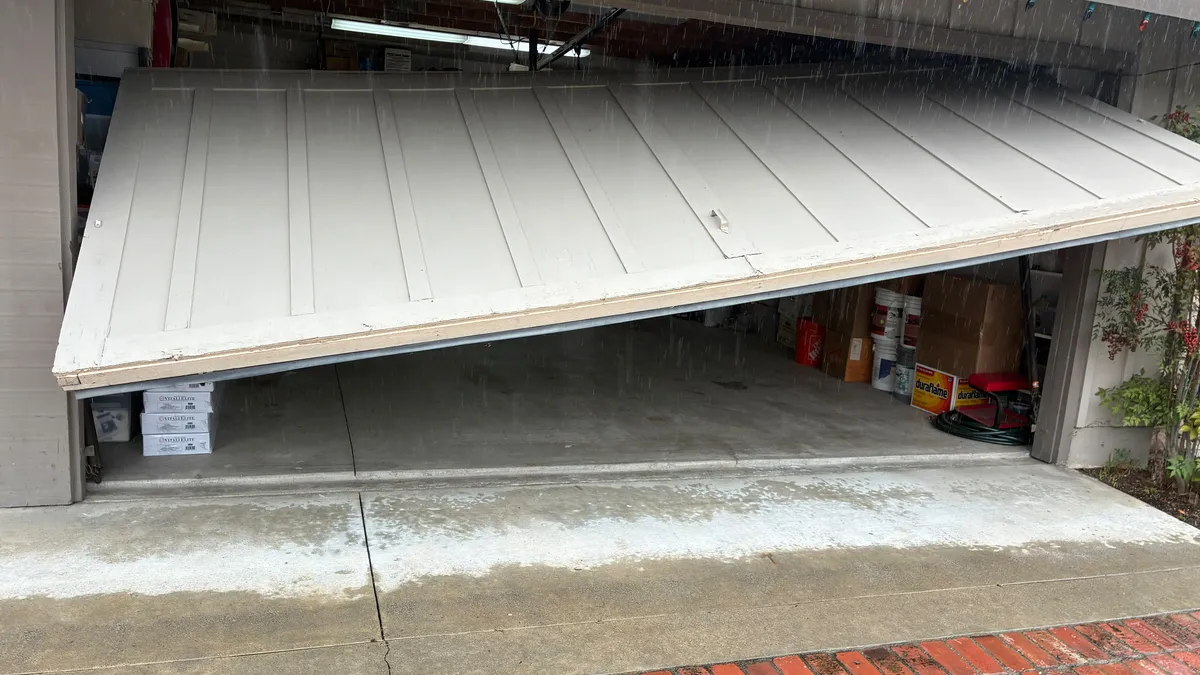
Garage door off track? Stop using it. Learn common Florida causes, safe next steps, and why forcing it makes d…
A Florida garage door maintenance calendar with pre-hurricane checks, post-storm inspections, and annual tune-…